


In today’s fast-paced digital era, businesses can no longer rely solely on traditional marketing or word-of-mouth to grow. Digital growth strategies for companies are essential for reaching the right audience, boosting revenue, and staying ahead of competitors. Whether you are a startup or a well-established company, understanding and implementing these strategies can help you scale your business effectively.
In this guide, we will break down every aspect of digital growth—from building an online presence to leveraging advanced technologies—so you can create a roadmap for success.
1. Establish a Strong Digital Presence

A strong digital presence is the foundation of all growth strategies. If your potential customers can’t find you online or don’t trust your brand, even the best strategies won’t work.
Key Steps:
- Website Optimization:
Your website is your digital storefront. Ensure it is mobile-friendly, fast-loading, and visually appealing. Use a clear layout, easy navigation, and calls-to-action (CTAs) to guide visitors. Tools like Google PageSpeed Insights can help optimize site speed. - Search Engine Optimization (SEO):
SEO helps your business rank higher on search engines for relevant keywords. This includes:
- On-page SEO: Optimizing titles, meta descriptions, headings, and content with relevant keywords.
- Off-page SEO: Building quality backlinks from authoritative sites.
- Technical SEO: Ensuring your website has proper sitemaps, structured data, and fast loading speeds.
- On-page SEO: Optimizing titles, meta descriptions, headings, and content with relevant keywords.
- Social Media Presence:
Social media is a key component of your digital identity. Create profiles on platforms where your audience is most active. Consistently post updates, engage with followers, and respond to messages to build credibility and awareness. - Local Listings:
For companies serving specific regions, optimize local listings on Google Business Profile, Bing Places, and Yelp. Ensure your business details, hours, and contact information are accurate.
Example: A small consulting firm optimized their website for keywords like “digital growth strategies for companies,” created a blog with actionable tips, and increased organic traffic by 70% within 6 months.
2. Content Marketing: Attract, Educate, and Engage
Content marketing is a powerful growth strategy because it attracts potential customers by providing value before asking for a sale.
Types of Content to Focus On:
- Blogs and Articles: Provide in-depth guides, industry insights, and solutions to customer problems. Blog posts improve SEO and establish authority.
- Videos: Short tutorials, explainer videos, product demos, and behind-the-scenes clips are highly engaging. Platforms like YouTube and LinkedIn can amplify reach.
- Ebooks, Whitepapers, and Case Studies: Offer downloadable resources to educate your audience. These are great for lead generation as users provide their emails to access them.
- Infographics and Visual Content: Simplify complex information with visuals that are easily shareable on social media.
Pro Tip: Focus on creating content that answers your audience’s questions. Use tools like AnswerThePublic or SEMrush to find popular search queries in your niche.
You may also like to read it:
Digital Marketing Tips for Beginners – Step-by-Step Guide
Cloud Computing Solutions for Small Business: Complete Guide
Startup Growth Hacking Tips: Proven Strategies To Scale Fast
Marketing Automation Tools 2026 | Top Platforms For Growth
3. Email Marketing: Nurture Leads and Retain Customers
Email marketing continues to be one of the most effective digital growth strategies for companies.
How to Maximize Email Marketing:
- Segmentation: Divide your audience into groups based on interests, demographics, or behavior. This allows personalized messaging that converts better.
- Automation: Use tools like Mailchimp, HubSpot, or Klaviyo to automate welcome emails, cart abandonment follow-ups, and drip campaigns.
- Engaging Content: Send value-driven emails with tips, product updates, and exclusive offers. Avoid overly promotional messages that may annoy subscribers.
Example: An ecommerce company segmented their email list by customer purchase history and increased repeat purchases by 35% using personalized email campaigns.
4. Paid Advertising: Boost Reach and Conversions
While organic growth is crucial, paid advertising can accelerate results and reach new audiences quickly.
Effective Paid Campaigns:
- Google Ads: Target customers actively searching for your products or services. Use search ads, display ads, and shopping campaigns.
- Social Media Ads: Facebook, Instagram, LinkedIn, and TikTok allow precise targeting based on demographics, interests, and behavior.
- Retargeting Ads: Retarget visitors who previously interacted with your site but didn’t convert. Retargeting increases conversion rates significantly.
Pro Tip: Combine paid ads with high-quality landing pages to maximize conversions. A strong CTA and clear value proposition are essential.
5. Data-Driven Decision Making
Growth without measurement is guesswork. Analytics and data help companies understand what works and optimize their strategies.
Key Analytics Practices:
- Website Analytics: Tools like Google Analytics track user behavior, traffic sources, and conversions.
- Social Media Insights: Measure engagement, reach, and follower growth to optimize social campaigns.
- A/B Testing: Test different headlines, ad creatives, CTAs, or email subject lines to identify what drives the best results.
- Customer Feedback: Collect surveys, reviews, and feedback forms to understand customer needs.
Example: A SaaS company tested two landing page designs for their product trial. The version with simplified messaging increased sign-ups by 28%.
6. Social Proof: Build Trust and Credibility
People trust businesses that others trust. Social proof builds confidence and encourages new customers to engage with your company.
Ways to Use Social Proof:
- Display customer testimonials and reviews on your website.
- Highlight case studies showcasing results.
- Feature awards, certifications, or media mentions to establish authority.
- Showcase user-generated content on social media.
7. Customer Experience: The Heart of Digital Growth
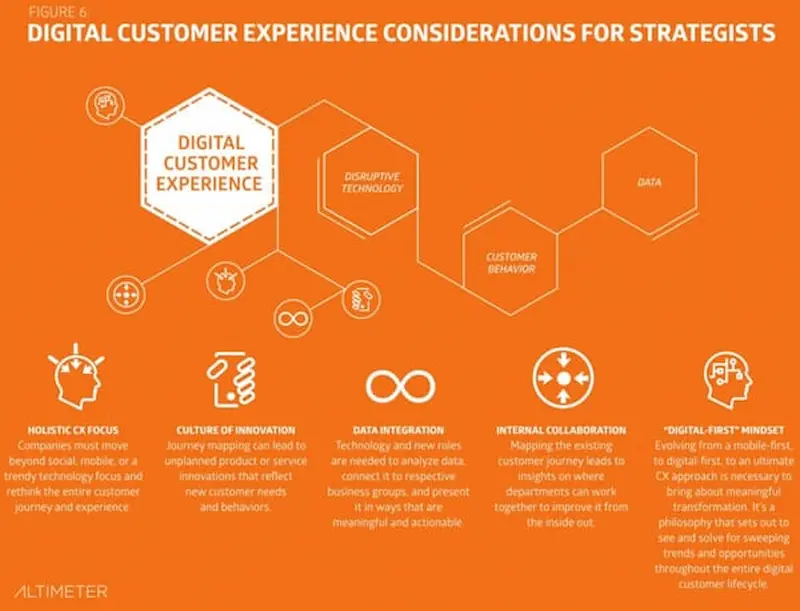
A great product isn’t enough if customers struggle with your website or service. Exceptional digital experiences encourage loyalty and repeat business.
Tips for Improving Customer Experience:
- Ensure fast-loading, mobile-friendly websites with clear navigation.
- Offer responsive customer support via live chat, email, or social media.
- Personalize customer interactions based on behavior and preferences.
- Simplify purchase or sign-up processes to reduce friction.
Example: An online store implemented a one-click checkout and chatbot support, reducing cart abandonment by 20% and increasing customer satisfaction.
8. Leverage Emerging Technologies
Staying ahead means adopting innovative tools that streamline processes and improve engagement.
- AI-Powered Marketing: AI tools analyze data, predict trends, and automate campaigns.
- Chatbots: Provide instant customer support and answer FAQs, improving user experience.
- Marketing Automation: Platforms like HubSpot and ActiveCampaign help schedule content, nurture leads, and track performance.
- Voice Search Optimization: Optimize your content for voice assistants like Alexa and Google Assistant to capture emerging traffic.
9. Networking and Partnerships
Collaboration amplifies growth. Digital networking with influencers, industry experts, and complementary businesses can expand reach and credibility.
- Co-create campaigns or content with partners.
- Host webinars, virtual events, or podcasts to showcase expertise.
- Participate in online communities and discussion forums relevant to your industry.
10. Continuous Learning and Adaptation
Digital growth is not a one-time effort. Trends, algorithms, and consumer behavior change constantly. Companies that continuously learn and adapt are the ones that thrive.
- Monitor competitor strategies and industry trends.
- Regularly audit your digital channels to optimize performance.
- Invest in training or workshops for your marketing and sales teams.
Conclusion
Digital growth strategies for companies are no longer optional—they’re essential for long-term success. From establishing a strong online presence to creating valuable content, leveraging data, embracing technology, and providing exceptional customer experiences, these strategies help companies reach new audiences, increase conversions, and stay ahead of the competition.
The key is consistency, measurement, and adaptation. By following these strategies, your business can not only grow but thrive in today’s dynamic digital landscape.
FAQs on Digital Growth Strategies for Companies
1. What are digital growth strategies for companies?
Digital growth strategies for companies are methods and techniques used to expand a business online. This includes increasing website traffic, engaging audiences on social media, generating leads, and boosting revenue through digital channels like SEO, content marketing, email marketing, and paid advertising.
2. Why are digital growth strategies important?
Digital growth strategies help companies reach more customers, build brand awareness, and increase revenue in a cost-effective way. In today’s competitive market, businesses that do not invest in digital growth risk falling behind competitors who actively engage audiences online.
3. How can content marketing help my business grow?
Content marketing attracts and engages your target audience by providing valuable information. Blogs, videos, ebooks, and infographics can establish your business as an industry authority, improve SEO, and generate leads over time.
4. Which social media platforms are best for digital growth?
The best platforms depend on your target audience:
LinkedIn: B2B and professional services
Instagram & TikTok: Younger audiences, lifestyle, and visual content
Facebook: Broad audience, community building, and ads
Twitter/X: Real-time updates, trending topics, and engagement
5. How do paid ads help in digital growth?
Paid ads, such as Google Ads and social media advertising, allow businesses to reach highly targeted audiences quickly. They can drive website traffic, increase conversions, and complement organic growth strategies like SEO and content marketing.


