
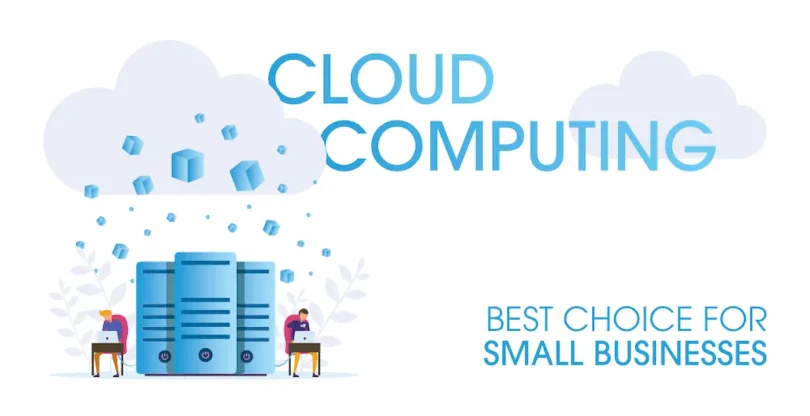

Running a small business means handling many responsibilities at once—sales, customers, finances, employees, and daily operations. Managing all of this using traditional systems can be time-consuming and costly. This is where cloud computing solutions for small business come in.
Cloud computing allows small businesses to use software, store data, and manage operations online instead of relying on physical computers or servers. It simplifies work, improves flexibility, and supports growth without heavy investment.
In this guide, we’ll explore what cloud computing is, why it matters, and how small businesses can use it effectively.
What Is Cloud Computing?
Cloud computing means accessing business tools, software, and data through the internet rather than installing them on a local computer or office server.
Instead of:
- Storing files on one computer
- Installing software on every device
- Worrying about system crashes or data loss
You use online platforms that:
- Store data securely
- Update automatically
- Are accessible anytime, anywhere
This makes cloud computing one of the most practical and cost-effective solutions for small businesses.
Why Cloud Computing Is Important for Small Businesses
Small businesses often have limited budgets and resources. Cloud technology removes many traditional barriers by offering flexible and affordable solutions.
Key reasons to use cloud computing solutions for small business:
Cost Savings
You don’t need to buy expensive hardware or hire a full IT team. Most cloud services work on monthly or yearly subscriptions.
Remote Access
Business data and tools can be accessed from anywhere, which is ideal for remote work or travel.
Automatic Updates
Software updates and security patches happen automatically, saving time and reducing risks.
Scalability
As your business grows, you can easily add users, storage, or features without changing systems.
Types of Cloud Computing Solutions for Small Business
Different cloud tools serve different purposes. Below are the most useful cloud computing solutions small businesses rely on.
Cloud Storage and Backup Solutions
Cloud storage allows businesses to store files securely online instead of on physical devices.
Benefits:
- Easy access to files from any device
- Automatic backups prevent data loss
- Simple file sharing with teams or clients
Common uses:
- Business documents
- Images and videos
- Client records
Cloud storage is often the first step for businesses moving to the cloud.
Cloud-Based Email and Office Tools
Cloud office tools allow teams to send emails, create documents, manage calendars, and collaborate in real time.
Benefits:
- Real-time editing and collaboration
- Centralized communication
- No software installation required
These tools are essential cloud computing solutions for small business teams that want better productivity and coordination.
You may also like to read it:
Digital Marketing Tips for Beginners – Step-by-Step Guide
Startup Growth Hacking Tips: Proven Strategies To Scale Fast
Marketing Automation Tools 2026 | Top Platforms For Growth
Cloud CRM (Customer Relationship Management)
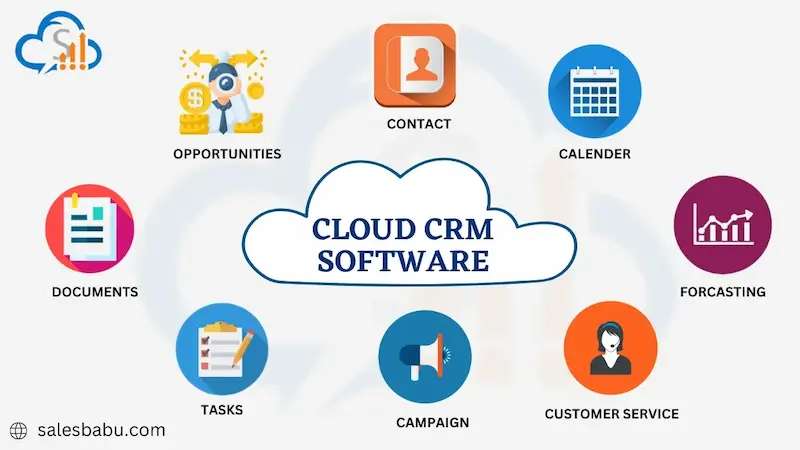
A cloud-based CRM helps businesses manage customer information, leads, and sales activities in one system.
Benefits:
- Organized customer data
- Better sales follow-ups
- Improved customer relationships
- Increased conversion rates
CRM systems are especially helpful for service-based businesses and sales teams.
Cloud Accounting and Finance Software
Cloud accounting tools help manage income, expenses, invoices, and taxes without manual work.
Benefits:
- Real-time financial tracking
- Easy invoicing and payment management
- Better tax preparation
- Reduced accounting errors
For small businesses, cloud accounting reduces financial stress and improves accuracy.
Cloud Project Management and Collaboration Tools
These tools help businesses manage tasks, projects, and team communication online.
Benefits:
- Clear task assignments
- Progress tracking
- Improved teamwork
- Centralized communication
They are ideal for businesses working with teams, freelancers, or multiple projects.
Cloud Security Solutions
Security is a major concern for small businesses. Cloud providers invest heavily in protecting data.
Benefits:
- Data encryption
- Secure access controls
- Automatic security updates
- Backup and disaster recovery
Using cloud security solutions helps protect business and customer data from cyber threats.
How Cloud Computing Helps Small Business Growth
Cloud computing solutions for small business do more than store data—they support long-term growth.
- Faster decision-making through real-time data
- Improved customer service with better tools
- Easier expansion without technical barriers
- Increased efficiency through automation
Cloud technology allows small businesses to operate like larger companies, but at a much lower cost.
How to Choose the Right Cloud Computing Solutions
Before choosing a cloud solution, consider the following:
- Identify your business needs
- Choose tools that are easy to use
- Ensure strong security and data protection
- Check pricing and scalability
- Look for customer support and reliability
Starting with one or two tools and expanding gradually is often the best approach.
Final Thoughts
Cloud technology is no longer optional for small businesses—it is a smart and practical solution. With the right cloud computing solutions for small business, you can save time, reduce costs, improve efficiency, and support future growth.
By moving your business tools and data to the cloud, you gain flexibility, security, and control—allowing you to focus on what truly matters: running and growing your business.
FAQs – Cloud Computing Solutions for Small Business
1. What are cloud computing solutions for small business?
Cloud computing solutions for small business are online tools and services that allow businesses to store data, use software, and manage operations through the internet instead of physical systems.
2. Why should a small business use cloud computing?
Cloud computing helps small businesses save money, access data from anywhere, improve teamwork, and grow easily without investing in expensive hardware or IT systems.
3. Is cloud computing safe for small businesses?
Yes, most cloud computing solutions for small business use strong security measures like data encryption, secure login systems, and regular backups to protect business data.
4. How much do cloud computing solutions cost for small businesses?
Costs vary, but many cloud services offer affordable monthly plans, free trials, and scalable pricing, making them budget-friendly for small businesses.
5. Can cloud computing help remote work?
Yes, cloud computing allows employees to access files, tools, and systems from anywhere, making remote and hybrid work easy and efficient.


